
U.S.-Iran peace talks collapsed in Pakistan over the weekend, ending without agreement on nuclear weapons and threatening the fragile two-week ceasefire between the nations.

U.S.-Iran Peace Talks Collapse, Ceasefire at Risk
High-stakes peace talks between the United States and Iran in Islamabad, Pakistan, have broken down after a marathon 21-hour negotiation session. The talks, brokered by Pakistan, aimed to secure long-term commitments but failed to reach agreement on Iran’s nuclear program. The U.S. and Iran had established a two-week ceasefire ahead of the negotiations, but the diplomatic breakdown now places that truce in jeopardy.
The collapse comes amid broader Middle East tensions, with Trump administration officials claiming “victory” in recent Iran conflict while critics question those assertions. The failure of diplomacy raises concerns about renewed military escalation and its impact on global security and energy markets.
Why it matters: The breakdown escalates geopolitical tensions in a critical region, potentially affecting global oil markets and increasing risks for American personnel and allies in the Middle East.
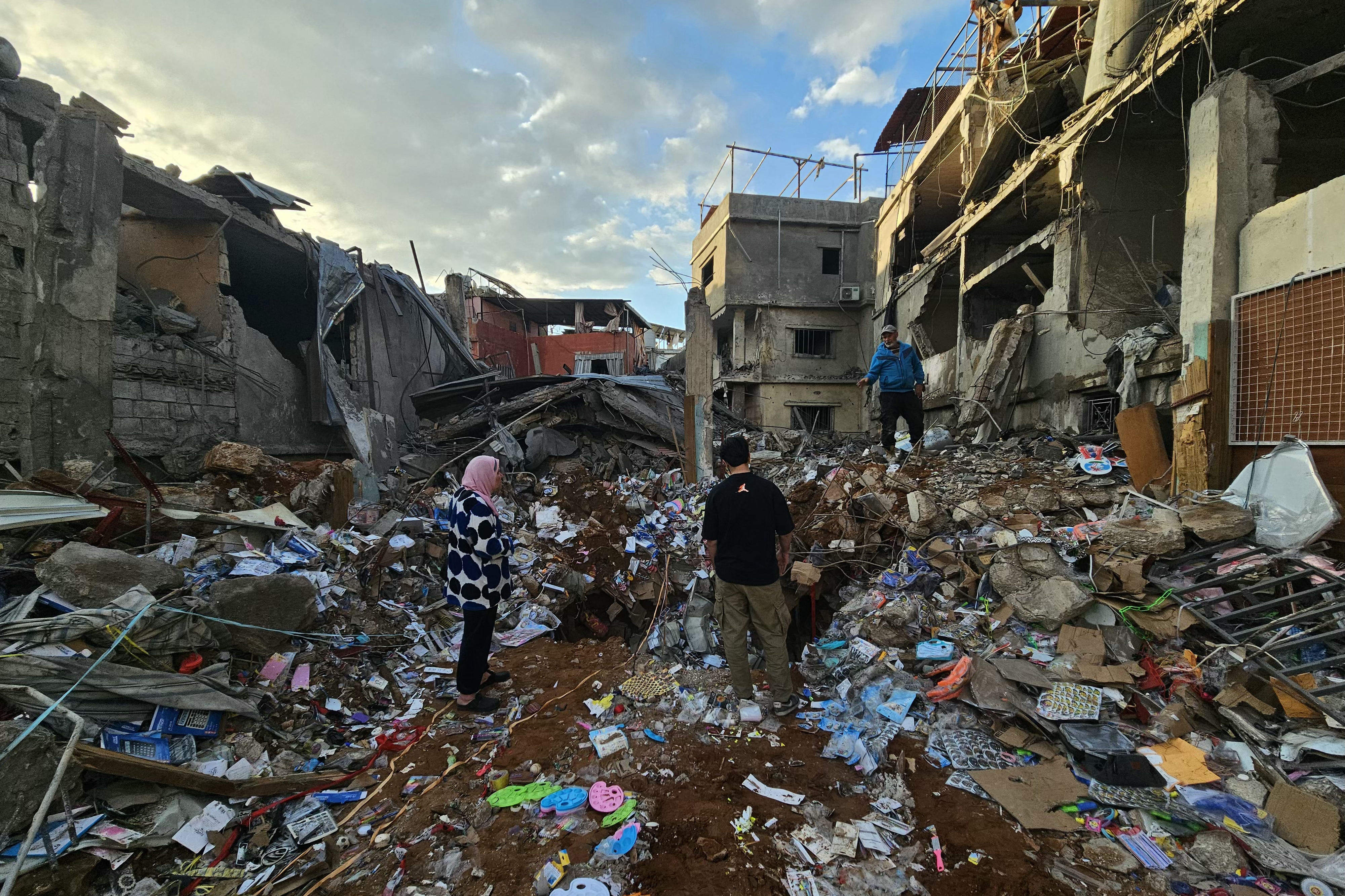
Israel-Hezbollah Fighting Continues in Lebanon
The conflict between Israel and Hezbollah in southern Lebanon persists despite ongoing international diplomatic efforts. A Hezbollah commander recently described the group’s battle tactics and command structure in a rare interview, while Israeli forces continue operations in the region. The Iran-backed militant group has maintained rocket fire into northern Israel, according to reports.
Lebanese and Israeli officials are reportedly scheduled for direct talks in Washington next week, though expectations remain low. Israel continues to demand Hezbollah’s disarmament as part of any peace agreement, a condition that Lebanese officials say could destabilize the country further.
Why it matters: Continued fighting between Israel and Hezbollah threatens regional stability and complicates broader Middle East peace efforts, with potential for wider conflict involving Iran and its proxies.
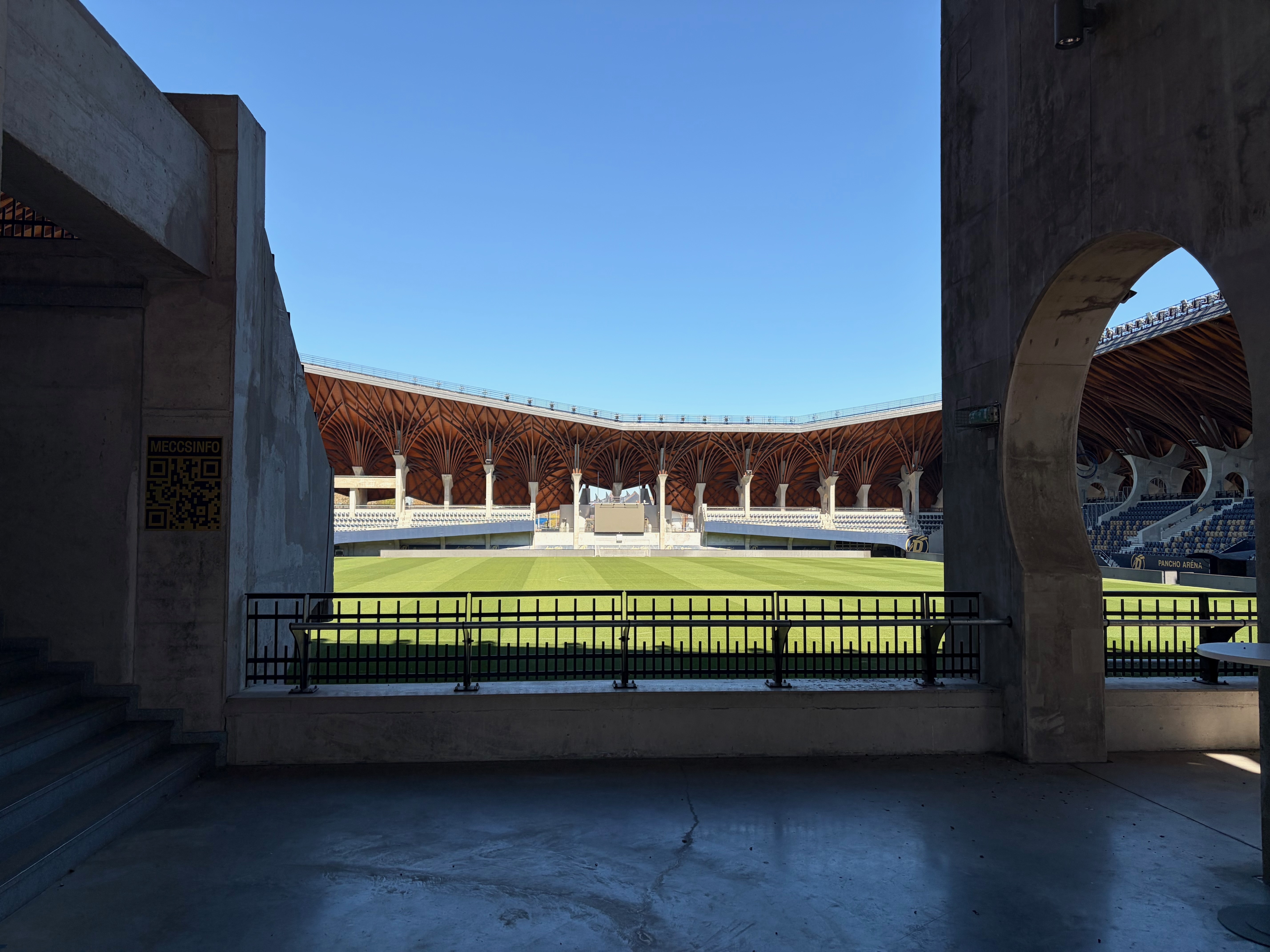
Hungary’s Orbán Faces Election Challenge
Hungarian Prime Minister Viktor Orbán confronts his strongest electoral challenge in years as the country prepares for elections. Opposition leader Péter Magyar, a former insider from Orbán’s Fidesz party, has gained support by criticizing corruption and authoritarian governance under Orbán’s 16-year rule. The European Union has withheld billions in funding from Hungary due to concerns over democratic institutions and rule of law violations.
Orbán’s hometown of Felcsút has become symbolic of alleged government excess, featuring a large soccer stadium built near his family home in the small village. Magyar has promised to dismantle what he calls the “Orbán system” of governance that critics say has concentrated power and resources among political allies.
Why it matters: The election outcome could significantly alter Hungary’s relationship with the EU and NATO, potentially affecting European unity on foreign policy issues including support for Ukraine.
Quick Hits:
• Syria and Kurdish-led Syrian Democratic Forces completed another prisoner exchange in Hasakah, bringing the total number of freed detainees to approximately 1,500 since January
• The Middle East ceasefire may have inadvertently strengthened Iran’s regional position, according to foreign policy analysts examining the conflict’s aftermath
• Trump administration officials warn the U.S. military will maintain presence near Iran until a “real agreement” is honored, signaling continued tensions despite ceasefire
Sources